1. What is a representative office of a foreign non-profit under Ukrainian law?
Representative office of a foreign non-profit entity – a subdivision of a foreign legal entity (NGO or foundation) which got officially registered in Ukraine. Although such a rep office is inserted in the Unified State Register of Legal Entities and Individual Entrepreneurs of Ukraine, it does not possess the status of a separate legal entity.
2. What types of rep offices are available to foreign non-profits in Ukraine?
A foreign non-profit legal entity may register its representative office in Ukraine in the following forms:
representative office of a foreign non-governmental organization (NGO);
representative office of a foreign charitable organization.
The choice depends on the scope of activities conducted by the parent non-profit entity pursuant to its Charter. If the parent entity does charitable work, it should opt for a rep office of a foreign charitable organization. On the other hand, if the foreign entity is focused on promoting a certain public agenda, a rep office of a foreign NGO will be a more suitable option.
The registration procedure and fundamental principles of functioning are practically the same for both types of rep offices. Hence, the answers to the questions below are applicable to both of them.
3. Which documents govern the activities of a rep office?
In Ukraine, representative offices of foreign non-profits are regulated by the following acts:
Civil Code of Ukraine;
Tax Code of Ukraine;
Law of Ukraine “On Non-Governmental Organization” (for NGOs);
Law of Ukraine “On Charitable Activities and Charitable Organizations” (for charities).
The main internal document that governs the activities of a Ukrainian rep office is the “Regulations of the representative office”. The Regulations contain basic provisions on the functioning of the rep office in Ukraine and must comply with Ukrainian law.
4. What is the difference between a rep office and a separate NGO / foundation?
A foreign non-profit can establish its presence in Ukraine in two ways: by registering a representative office or by creating a separate NGO / foundation under Ukrainian law.
While an NGO / foundation is a full-fledged legal entity, a rep office does not have the status of a legal entity and possesses no separate civil capacity. This means that the rep office enters into contracts on behalf of the foreign parent entity, and the foreign entity bears full reposponsibility for the legal actions of its subdivision. Meanwhile, a separate NGO / foundation established under Ukrainian law acts in its own name, has its own separate assests and bears civil liability for its own actions.
Apart from these basic differences, there is also a set of labor, tax and internal governance distinctions between a rep office and an NGO / foundation.
5. Who is considered the founder of a rep office?
Under Ukrainian law, a representative office is established by the resolution of the foreign parent entity. Such foreign entity is the sole founder of the rep office; no other founders (participants, shareholders) may join at a later date.
6. Who can be the head of a rep office?
The head of a representative office is appointed by the foreign parent entity and inserted in the Ukrainian public Register. The head exercises his powers in Ukraine based on a power of attorney issued by the foreign parent entity.
Any person regardless of citizenship may be appointed as the head of a Ukrainian representative office. However, a foreign citizen must obtain a Ukrainian tax ID number before registering as head of the rep office.
7. Is it obligatory to employ the head of the rep office under Ukrainian labor law?
If the head of the rep office is a Ukrainian citizen, it is advisable to employ him under labor law and pay him at least a minimum monthly salary of UAH 8,000 (» EUR 180). The head may be employed either full-time or part-time. In the latter case, the head’s monthly salary may be even lower, i.e. proportionate to his hourly workload.
If the head of the rep office is a foreign citizen, you may choose one of the following options:
to employ him in the rep office under Ukrainian labor law and pay him a salary in Ukraine; in this case, it is not required to obtain a labor permit for foreigners in Ukraine;
to employ him directly in the parent entity under foreign labor law and pay him a salary abroad; no Ukrainian labor permit is required here as well.
8. Does a rep office need to rent property in Ukraine to use it as a legal address?
When filing for registration, a rep office must indicate a legal address which will be shown in the Ukrainian public Register. This address determines where all official correspondence from counterparties and state authorities will be sent.
The law does not require to provide the Ukrainian registrar with ownership title documents or lease agreements on the property stated as the rep office’s legal address.
9. Are rep offices obliged to have an official seal?
A seal is not mandatory for a rep office under Ukrainian law. However, some rep offices voluntarily choose to use a seal in their activities. A rep office may order a seal from any seal-manufacturing company; no special permits are required.
10. Documents required to register a rep office
As a rule, the following documents are required to file for registration of a rep office:
filled-in application form;
resolution of the foreign entity on setting up a representative office in Ukraine;
regulations of the representative office;
an up-to-date excerpt on the foreign parent entity from its national commercial, banking, court or other register;
ownership structure;
copy of UBO passport(s);
power of attorney for registration purpuses.
Some of the above documents may require additional notarization & apostille/legalization, depending on the circumstances.
11. Who can file documents for registration of the rep office in Ukraine?
Under Ukrainian law, only two categories of people may act as representatives of a foreign entity for the purposes of registering a rep office:
an attorney who is admitted to the Ukrainian bar and practices law individually;
a person registered as a Ukrainian individual entrepreneur, whose main type of activity, according to the public Register, is the provision of legal services.
12. What is the timeline for official registration of a rep office?
The state registration of a representative office in Ukraine takes up to 5 business days from the date of filing. However, the registrar may refuse to register the rep office if certain documents are missing, incorrect or contradict Ukrainian law.
After the rep office is successfully registered, the foreign parent entity must also file for registration with the Tax Office of Ukraine. This is a separate procedure that usually lasts several days.
13. Can the rep office open a bank account in Ukraine?
Once the rep office is officially registered, it may open a bank accounts in Ukrainian banks. Usually, the head of the office personally visits a bank branch where he undergoes identification and signs various banking papers.
The scope of KYC documents requested by the bank varies depending on the particular bank’s compliance policy. We recommend checking KYC requirements in advance with your bank of choice.
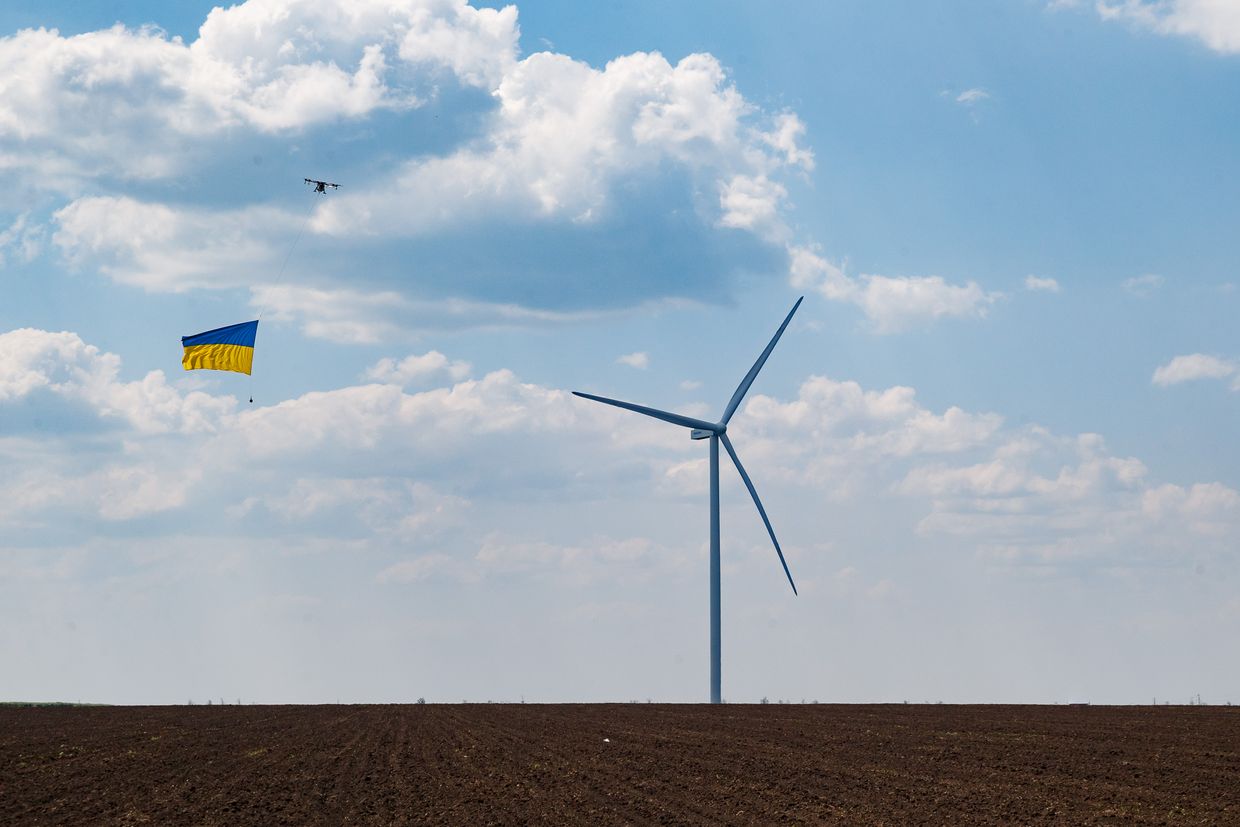
Ukraine’s largest private energy company, DTEK, announced plans on Jan. 22 to invest 450 million euros ($468 million) in expanding the Tyligulska Wind Power Plant near the Black Sea coast.
“The commitment is the largest private sector investment in Ukraine since Russia’s full-scale invasion in 2022 and the biggest ever private investment in Ukraine’s energy sector,” DTEK said in a press release.
DTEK, owned by Ukraine’s richest man Rinat Akhmetov, said it had reached a deal with lenders to purchase 64 wind turbines from Danish manufacturer Vestas, a world leader in turbine production.
Of the 450-million-euro investment, 370 million euros ($385 million) will be financed through bank loans guaranteed by Denmark’s state-owned Export and Investment Fund (EIFO), with the remainder funded by DTEK.
The project is expected to be completed by late 2026 and generate 1.7 terawatt-hours (TWh) of electricity annually, enough to power 900,000 Ukrainian homes.
The big picture: DTEK lost nearly 90% of its generation capacity in 2024 due to Russia’s aerial attacks targeting Ukraine’s energy infrastructure. Wind turbines are harder to target than DTEK’s large thermal power generation plants.
The company has also largely been shut out from financing from large institutional investors wary of its owner, Akhmetov. EIFO lending to DTEK could be a signal to other would-be investors.
A big sale in the making
Kyivstar — Ukraine’s leading mobile operator that’s been in the news lately over its parent company VEON’s plans to list Kyivstar on Nasdaq — is looking to buy Ukraine’s favorite ride-hailing service Uklon.
Forbes Ukraine reported on Jan. 27 that Kyivstar had filed an application with Ukraine’s antitrust regulator to purchase Uklon. The deal could be valued at anywhere from $40–80 million, according to Forbes’s analysis.
What’s in it for the two companies? Uklon has had trouble expanding into other markets, unable to compete with ride-hailing giants like Uber and Bolt. The company launched in Georgia, Moldova, Azerbaijan, and Uzbekistan, but exited each market except for Uzbekistan.
Veon, Kyivstar’s parent company, has capital, expertise, and access to other markets where it also operates, one market insider told Forbes. The company also owns mobile operators in Kazakhstan, Uzbekistan, Pakistan, and Bangladesh.
Uklon ended the first three quarters with Hr 1.2 billion in revenue, or $28 million, twice as much for the same period of 2023. Kyivstar would get a growing company, and be able to offer its 23 million subscribers special offers and discounts on trips, Vitaliy Laptenok from Flyer One Ventures told Forbes — potentially incentivizing even more people to use the app.
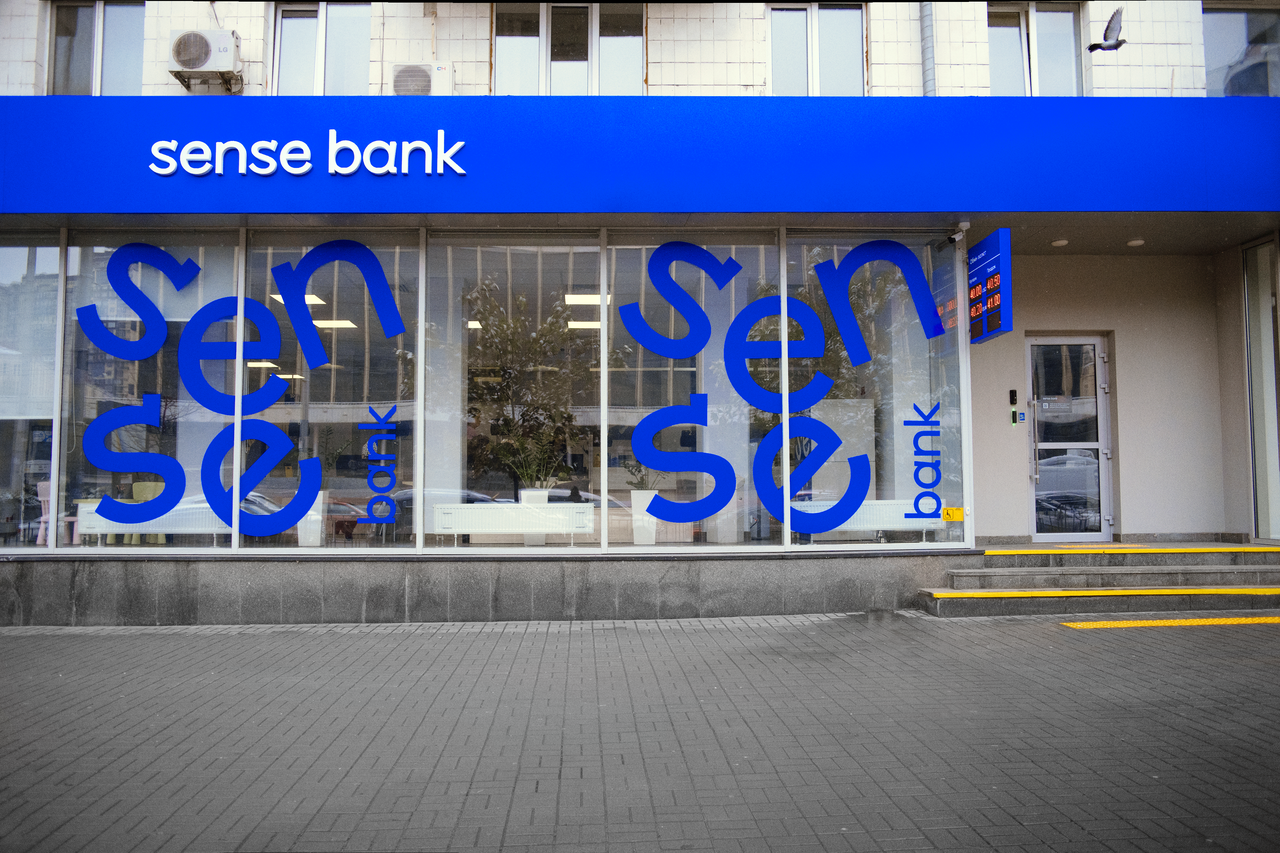
A Sense Bank branch in Kyiv, Ukraine
Back on the market?
After being nationalized at the start of Russia’s full-scale invasion over their Russian ownership, Ukraine is preparing to sell Sense Bank and Ukrnafta, Economy Minister Yuliia Svyrydenko told Forbes Ukraine in an interview published last week.
“We are ready to privatize Sense Bank, as well as consider the possibility of selling a stake in Ukrnafta, which is in dire need of modernization,” Svyrydenko said. Discussions on Ukrnafta are still in their infancy, she said.
The Ukrainian government took control of Sense Bank in the summer of 2023 after its owner, Mikhail Fridman, was placed under sanctions in response to Russia’s full-scale invasion.
Ukraine’s government nationalized oil producer Ukrnafta in November 2022, seizing it from its shareholders, infamous oligarch and former PrivatBank owner Ihor Kolomoisky and his business partner Hennadiy Boholyubov.
What’s next? It’s unclear. Selling Ukrnafta’s stakes or Sense Bank quickly is another story, as there are no reported serious buyers. Privatization has also been a historically slow process in Ukraine, where many of the country’s biggest banks are state-owned, and also in “dire need” of being privatized.
Wesley Jordan, Chief Executive Officer of VisionFund Ukraine.
Foreign investor spotlight
Ukraine’s Central Bank gave the green light to VisionFund Ukraine to operate as a non-bank financial institution, allowing it to start lending in the country, the company said in a statement last week.
VisionFund Ukraine is part of the global VisionFund network, which provides financial inclusion services in 28 countries across four continents, including loans, savings, insurance, and financial education.
Over the past 21 years, VisionFund has lent $12.2 billion through 21.5 million loans. It works mostly with small businesses and entrepreneurs, especially in rural areas.
“I look forward to working with entrepreneurs and partners in the financial inclusion ecosystem. We plan to enhance entrepreneurship in Ukraine by financing small businesses to support economic recovery and capacity building of communities and help families achieve financial stability,” said Wesley Jordan, Chief Executive Officer of VisionFund Ukraine.
“We start now as we understand how important fast recovery is and how timely and vital access to capital and inclusive finance is for small businesses in Ukraine,” he added.
The big picture: Small and medium-sized businesses are the backbone of Ukraine’s economy. But access to capital to grow businesses in Ukraine, where borrowing money is expensive, remains a big barrier for many entrepreneurs.
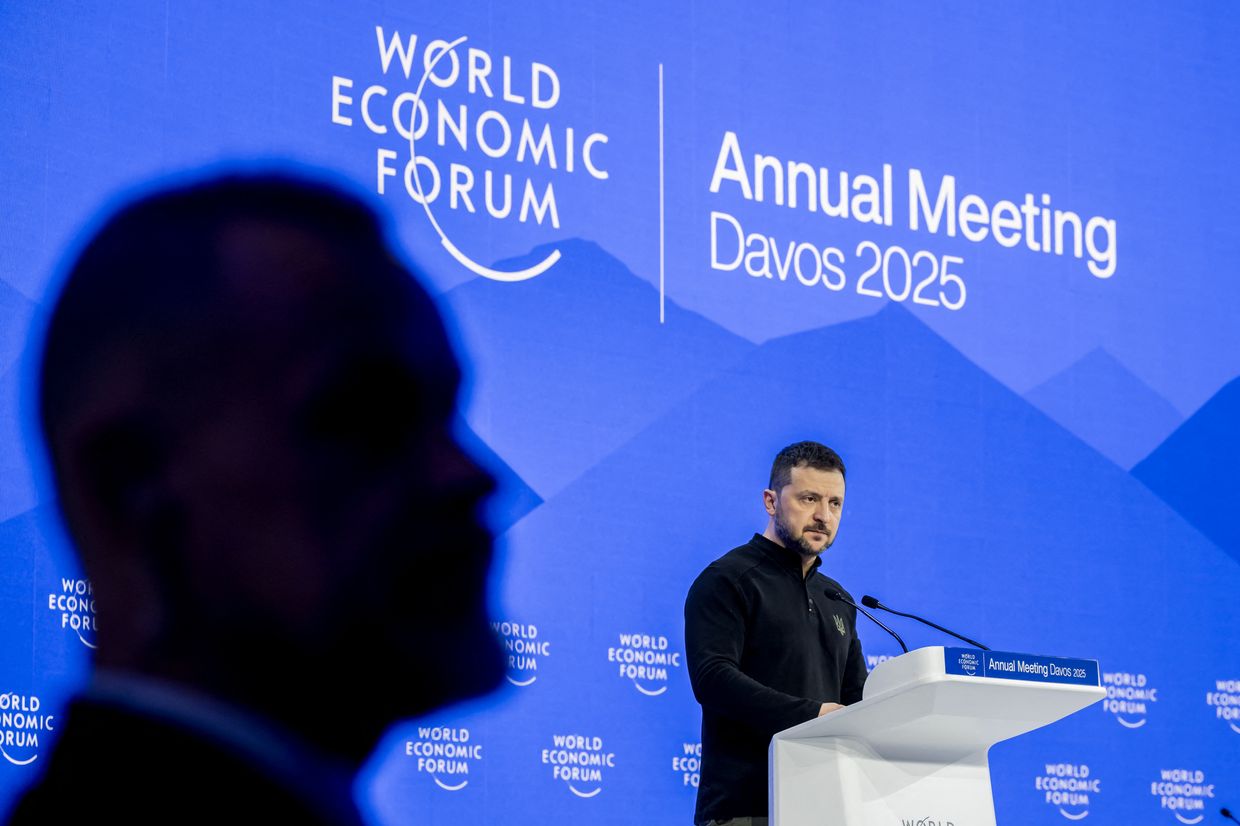
Ukrainian President Volodymyr Zelensky speaks at the World Economic Forum in Davos, Switzerland, on Jan. 21, 2025.
Davos Digest
The World Economic Forum in Davos, Switzerland is over and it’s safe to say that in addition to the inauguration of Donald Trump, Ukraine captured a lot of the spotlight this year as talks to end the war gain momentum.
An end to the fighting could usher in a gold rush of investment into Ukraine, piquing the interest — or at least curiosity — of foreign investors.
The Kyiv Independent has lots of interesting insights from the forum this year, including an op-ed from Ukraine’s Economy Minister Yuliia Svyrydenko, and an interview with Ukraine House Davos’s director, Ulyana Khromyak.
Interpipe invests $16 million in its front-line Nikopol plant since start of full-scale invasion
Steel pipe and railway wheel producer Interpipe, owned by Ukrainian oligarch Viktor Pinchuk, has invested $16 million in the development of its assets and new equipment at the plant in Nikopol, Oleksandr Garkavy, director of the Interpipe railway products division said in Davos. Russian forces are located just across the Dnipro River from Nikopol and the city is subject to near-daily attacks.
Ukraine’s poultry producer giant MHP experiences ‘largest hack in history of company.’
MHP wrote on its official Facebook page on Jan. 22 that the hack brought down its IT infrastructure, affecting shipments. The company is Ukraine’s largest poultry producer, has over 30,000 employees, and finished 2023 with a revenue of over $3 billion. The hack follows a large-scale Russian hack on Ukrainian government databases in December of last year.
Nova Poshta delivers a record 480 million packages and cargo in 2024
Ukraine’s leading private postal service Nova Poshta also reported that it delivered 19 million international parcels, an 86% increase from the year before, as it continues its expansion across the European continent. The company recently announced it had opened its first branch in Manchester, England, adding to its two London locations in the country. Nova Poshta, known abroad as Nova Post, is now active in 15 countries in Europe.
Ukraine’s central bank raises key policy rate to 14.5% due to inflation
“In order to maintain the stability of the foreign exchange market, keep expectations under control, and gradually bring inflation to the 5% target on the policy horizon, the (central bank) board decided to raise the key policy rate by 1% to 14.5%,” the bank’s Chairman Andrii Pyshnyi said in a press briefing on Jan. 24.
Ukrainian business association calls on government to implement ‘targeted air raid sirens’ to limit disruptions to business activity
Air raid alerts warning of Russian attacks in Ukraine by oblast, with the exception of the city of Kyiv, which has its own alerts separate from Kyiv Oblast, “leads to unjustified work interruptions even when there is no immediate threat in the area where the business is located,” the European Business Association said. According to the association’s members, downtime at enterprises can reach up to 50% of working time, causing disruptions to production plans and increased operating costs, undermining export capabilities. It’s unclear how Ukraine’s Air Force would even be able to change the alert system to target specific regions instead of entire oblasts.
Since the outbreak of the full-scale invasion on February 24, 2022, the Russian Federation has caused Ukraine losses of over 55 billion USD. Residential buildings, schools, hospitals, enterprises, thermal power plants, transformers, and the Kakhovka hydroelectric power station – that is what has been destroyed. Entire cities have been completely destroyed by Russian shelling and scorched-earth tactics during hostilities.
The war is still lasting, while the amount of destroyed Ukrainian infrastructure is only growing. The issue of restoration is not just on the agenda; some affected regions where active hostilities are not underway are already being rebuilt at the expense of private, state, or grant funds. The reconstruction system itself is now quite complicated by various by-laws and government orders. Therefore, the Ministry of Restoration initiated a government bill “On the Principles of Recovery of Ukraine”.
We consciously created this material as participants in the “Window of Restoration” network. You can find all about the recovery of the affected regions of Ukraine on the single platform recovery.win
What changes does the draft law “On the Principles of Recovery” make to the system of rebuilding Ukraine’s infrastructure?
The Ministry of Recovery presented the government draft law “On the Principles of Recovery” in May 2024. This draft law should make recovery in Ukraine transparent and accountable, involve people, and facilitate conditions for sustainable economic growth. One of its main goals is to create tools so that partners can be confident in reliable cooperation with Ukraine.
The war between Russia and Ukraine has caused enormous damage and destruction of infrastructure. According to the KSE Institute, as of January 2024, the Russians had damaged or destroyed over 250 thousand residential buildings, including 222 thousand private houses, over 27 thousand apartment buildings, and 526 hostels. The infrastructure of 78 small, medium, and large private enterprises, as well as 348 state-owned enterprises, got destroyed or damaged.
All sectors of Ukraine’s economy have incurred losses. For example, the agricultural sector suffered losses of over eight billion USD. Russian army also damaged hospitals and municipal infrastructure through missile/drone strikes. The most destroyed infrastructure was in Donetsk, Kyiv, Luhansk, Kharkiv, Chernihiv and Kherson regions.
The war is still lasting, but the issue of reconstruction is already relevant now. Reconstruction of social and housing infrastructure should sustain the economy and facilitate the residence of Ukrainians. In the regions de-occupied in spring 2022, reconstruction is ongoing. 29 thousand buildings were destroyed or damaged in the Kyiv region. Among them, as of April 2024, over 17 thousand buildings were restored.
In Chernihiv region, over five thousand civilian infrastructure facilities were damaged, including schools, hospitals, and residential buildings. Kharkiv, Donetsk, and Kherson regions have faced the worst situation concerning reconstruction. In Kharkiv region, there is a more vital “elimination of the consequences of armed aggression” than actual reconstruction. In the most destroyed towns, reconstruction has not yet begun due to their proximity to the front line, for instance, in such cities as Kupyansk, Stary Saltov, and Chuhuiv.
As of September 2024, reconstruction in Ukraine is still governed by the law “On the Principles of State Regional Policy” and numerous government by-laws aimed at regulating the practical aspect of reconstruction that reconstructors and local authorities have faced in the process of reconstruction.
The involvement of various sources of funding in reconstruction (e.g. state, local, grant, and private ones) also creates a problem of control over reconstruction projects. Regulation of financing and transparency should make such projects public, and, most importantly, mitigate the risks of corruption in reconstruction projects. Regulation and control are carried out through the State Agency for Reconstruction.
Martyna Bohuslavets, CEO of the Institute of Legislative Ideas says that it is necessary to adopt a comprehensive law that should regulate the activities of the main bodies responsible for reconstruction, as well as govern the use of reconstruction funds, drafting strategic documents and programs for digitalization of the reconstruction process, such as the DREAM.
She noted, “Draft law “On the Principles of the Recovery of Ukraine” aimed at governing such issues has been developed since September 2023. Meantime, the wording submitted for discussion to the Ministry of Reconstruction, among the above issues resolves only consolidation of the DREAM system: a positive step forward, but insufficient”.
The analyst added, that for the avoidance of corruption risks during the reconstruction of Ukraine, the draft law should contain provisions for the following:
1. Regulating the use of costs from the fund aimed at financing reconstruction projects;
2. Improving activities of the Restoration Agency as a key body responsible for launching reconstruction projects;
3. Resolving the issue of the conflict between the development of programs and plans for reconstruction in communities.
The draft law on recovery has already been criticized for granting the government increased powers in the system of control over reconstruction financing. The Association of Ukrainian Cities made a statement on the need to finalize the draft law.
The draft law also introduces the concept of a private consulting engineer for reconstruction projects. Ukraine already has state architectural and construction control over development, whose representatives also conduct reconstruction projects. The powers of consulting engineers duplicate the powers of state control bodies. The Association believes that this introduces corruption risks into the reconstruction system.
The government receives expanded powers to control the financing of infrastructure facilities. This provision contradicts the law on decentralization, where the main powers regarding infrastructure decisions are given to local authorities. Centralization of such a process will undermine one of the main reforms of Ukraine in all the years of independence.
What is the DREAM system and how will it affect the organization of reconstruction?
The draft law “On the Principles of Recovery of Ukraine” governs the procedure for keeping and using the DREAM system for the purpose of managing reconstruction projects. It provides access to everyone: officials, local authorities, investors, and even journalists.
The DREAM system is currently in test mode. The system should collect, organize, and publish open data at all stages of reconstruction projects in real-time. It also makes it possible to monitor the effectiveness of project implementation at each stage and mitigate risks, create accurate reporting, and improve the overall efficiency of the project.
The DREAM system facilitates filling in the register of damaged and destroyed property, registration of reconstruction projects, and project analysis from financing to the implementation plan. This should be a full-fledged monitoring of the reconstruction of infrastructure facilities.
Anatoliy Komirny, the Deputy Minister of Community, highlights, “This will allow us to see at each stage what is happening with the project, whether its estimated cost has changed or not and why (if yes), who is responsible for it, who carried out the first work projects, and why he made mistakes. If everything is fine, we need to understand: are we on time with the deadlines and why, if we are not on time. People should understand in advance when they will be able to move into renovated housing when their children will go to a rebuilt school, and so on. From the partners’ point of view, this is an opportunity to make sure that the money they provided was spent for good reason”.
As of September 2024, over seven thousand reconstruction projects have already been registered in the DREAM system. Their aggregate budget exceeds 371 billion UAH. If the draft law “On the Principles of Recovery of Ukraine” is adopted, the DREAM system will become mandatory for conducting reconstruction projects in Ukraine. The Ministry of Reconstruction hopes that the DREAM system will help them to digitalize the entire reconstruction process in Ukraine.
Martyna Bohuslavets says that the DREAM system is really being built on the principle that everyone sees everything, which should significantly increase the transparency of reconstruction projects.
She notes, “Although the introduction of the DREAM system is positive, this system alone is not able to secure fully transparent reconstruction because for this an independent system of key bodies with accountable financing mechanisms still needs to be created. In addition, it is important to secure the publication of information on the prices of material resources during public procurement (including upon reconstruction). This will allow a comparison of the prices set for the restoration of facilities with market prices. This will make it possible to establish the presence or absence of overestimation of reconstruction cost. For this purpose, the Supreme Council registered draft law No. 11057 dated 04.03.2024, which is currently adopted as a basis”.
Anatoliy Tkachuk, Director of Science and Development at the Civil Society Institute, believes that the draft law “On the Principles of Recovery of Ukraine” in its current state does not resolve the most important issues. However, they need to be resolved for a reasonable and systematic reconstruction.
He summarized the goals of the draft law on the principles of recovery in an analytical note, “It seems that the main goal of adopting this draft law is to legislatively fix one of the possible instruments in the DREAM system aimed at recovery. This is not a good practice and is being proposed for the first time in Ukraine. Adoption of this draft law may be harmful to recovery planning. Regulations laid down in this draft law level the entire planning system and introduce new concepts that contradict those fixed in the legislation”.
Anatoliy Tkachuk says that the draft law itself complicates the developed network of laws and by-laws on infrastructure reconstruction in Ukraine and requires more changes to legislative acts than the Ministry of Recovery is talking about.
He added, “In Ukraine, there is a systemic law “On the Principles of State Regional Policy” governing a significant part of recovery issues. However, the actual situation in this area, the existence of duplication of planning documents for restoration, and the absence of clear financing rules require coordinated changes to several legislative acts of Ukraine, in particular, the laws “On the Principles of State Regional Policy”, “On Regulation of Urban Planning Activities”, “On the Procedure for the solution of certain issues of the administrative-territorial structure of Ukraine”; the Budget Code of Ukraine; the Land Code of Ukraine and the Civil Code of Ukraine”.
Therefore, it is unknown whether the DREAM system, like the government bill itself, will be able to influence the reconstruction in Ukraine, to improve it and to mitigate corruption risks. Now the draft law is at a public hearing.
Political prospects of the draft law in the Supreme Council
A draft law on the principles of recovery has not yet been submitted to the Supreme Council. Therefore, its consideration is expected, first in the committees of the Supreme Council, and then at the meeting of the Supreme Council itself. But this draft law, as stated by Olena Shulyak, People’s Deputy from the “Servant of the People” faction, is part of Ukraine’s implementation of the “Ukraine Facility” plan from the European Union. Thanks to it, Ukraine will be able to receive assistance of 50 billion euros.
But at the moment, the government draft law gives the government great powers over the entire reconstruction system. It provides that the restoration will be carried out by the following institutions: the Cabinet of Ministers, the Ministry of Restoration, the Restoration Agency (Integrity Council), as well as specialized central government bodies, such as the Ministry of Health, the Ministry of Education, the Ministry of Internal Affairs and Communications, and others. Local authorities should also conduct restoration projects, but the expanded powers of the Cabinet of Ministers will centralize the reconstruction itself. The Cabinet of Ministers will receive the authority to decide which objects should be subject to reconstruction or not.
The use of the DREAM system for the restoration of infrastructure facilities at the expense of the state budget or at the request of the state will become mandatory. Authors of the draft law believe that this will affect the transparency of the process. However, based on the DREAM system, certain objects can be prioritized over others. The only question is how objective this prioritization will be.
People’s Deputy Olena Shulyak commented upon the draft law at its presentation, “This legislative framework is aimed to secure effective, transparent, and accountable restoration of Ukraine, reduce the damage caused by military aggression of the Russian Federation, and ensure sustainable economic growth. Introduction of this legislative instrument will allow us to overcome consequences of the war and to facilitate conditions for socio-economic growth, improve the lives of the population and business”.
Throughout August, the Supreme Council Committee on the Organization of State Power, Local Self-Government, Regional Development, and Urban Planning held public consultations on the draft law. This means that it will soon be transferred to committees for consideration and approval. Martyna Bohuslavets, CEO of the Institute of Legislative Ideas says that the draft law will expand the already broad powers of the government in reconstruction. Transparent mechanisms for using funds for reconstruction would allow for attracting more international assistance for reconstruction.
She summarizes what needs to be added to the draft law before its consideration in the Supreme Council, “Therefore, we at the Institute recommend that the draft law on recovery will fix the following: mandatory prioritization of reconstruction projects; publication of all information regarding the work of the commission/working group that will make decisions upon distribution of funds; a clear procedure for determining the administrator of funds. In addition, it is local governments that are most aware of the community’s needs for recovery. Therefore, local governments should have the right to independently submit projects for funding. In addition, representatives of local government associations, as well as representatives of the public, should be part of the commission/working group that will make decisions on the distribution of funds”.
Anatoliy Tkachuk, Director of Science and Development at the Civil Society Institute, believes that the draft law “On the Principles of Recovery” will in no way affect the process of systemic recovery, which is not currently taking place in Ukraine.
He noted, “We can adopt any draft law, regardless of its quality and necessity. It all depends on the will of the president or on the agreements of the main vote holders. Such draft law can also acquire the status of a law, but unfortunately, it will not be able to work on systemic recovery. Changes will be required if real recovery begins. Given the situation at the front, there is no question of comprehensive reconstruction of the territories along the front line and the border with Russia at the present moment, while recovery of damages in other territories does not require for adoption of a new law”.
The draft law “On the Principles of Recovery” solves only specific problems of reconstruction, such as the distribution of funds, which are not enough for all reconstruction projects. The transparency of reconstruction via the DREAM system has not yet been studied through testing the system. In addition, it is unknown whether the prioritization of reconstruction takes into account the needs of the local population, the urgency of the reconstruction of the facility, etc. The principal task facing the reconstruction of Ukraine is to determine by what principle to rebuild. First, where people are now, or to plan for the future; either to rebuild quickly or to modernize the infrastructure according to new standards. The draft law does not solve this problem.
These are the findings of the annual Infrastructure Index 2024, conducted by the European Business Association in collaboration with law firms Arzinger and Sayenko Kharenko.
In 2024, 59% of companies reported making such investments. The majority focused on modernising existing facilities (59%), developing new infrastructure and facilities (44%), and acquiring ready-made assets (16%).
Most businesses invested to improve logistics and expand their geographical reach within and outside Ukraine.
In 2024, 79% of companies relied on their own funds, while 30% used debt financing. Only 9% accessed grant funding for investments. Foreign investments accounted for 39% of funds, while Ukrainian sources made up 61%.
Key barriers to funding included a focus on maintaining existing infrastructure and the risk of asset loss due to the security situation. Other constraints were a lack of external funding and insufficient internal resources.
War-related Losses
In 2024, 53% of businesses reported direct damages from hostilities, with nearly half describing these losses as significant. Nevertheless, 41% have already restored the damaged assets, while others plan to do so soon (25%) or after the war ends (28%). Only 6% said recovery is impossible or impractical.
Plans to claim compensation for war-related damages have increased, with 45% of respondents intending to do so in 2024, up 25% compared to 2023. Companies are at various stages of the process:
Documenting damage and gathering evidence (41%)
Damage assessment (38%)
Seeking consultants (23%)
Initiating criminal proceedings (21%)
Filing claims for compensation (10%)
Key Challenges for the Industry
The most pressing issue for 2024 is a labour shortage, reported by 69% of respondents. Rising logistics costs negatively impacted 65% of businesses. Other challenges include limited activity at seaports, shipping hazards, reduced demand, lower export and import levels due to decreased production, and power shortages.
Roads and Passenger Transport
82% of respondents support the introduction of toll roads, provided the quality of the existing infrastructure is improved beforehand.
Top three unresolved issues in passenger transport:
Low quality and accessibility of public transport (57%)
Unlicensed operators in intercity passenger transport (51%)
Insufficient integration of transport modes for multimodal transportation (49%)
Government Priorities to Stabilise the Market
According to businesses, the government should focus on unblocking maritime transport and reopening ports, ensuring accessible risk insurance for investors, developing public-private partnerships, adopting the Railway Transport Act, and providing targeted support to restore damaged terminals and infrastructure.
75% of respondents support separating the Ministry of Communities and Territories Development to establish a dedicated transport authority.
Maryna Sharapa. Arzinger Partner
It is encouraging to highlight the results of the index, which demonstrate that despite significant losses, a labour shortage, and other challenges, the majority of businesses maintain a positive trend towards growth. An impressive 67% of companies are planning investments! Amid the war, this can be seen as another front the transport sector holds. In this context, the discussion at the infrastructure event about updates to the rules and procedures for investment mechanisms such as industrial parks, major investments, and public-private partnerships proved particularly timely.
Tymur Enkhbaiar. Counsel at Sayenko Kharenko
After some improvement in the situation last year, this year we are once again witnessing an increase in damages caused by military actions and the extent of harm incurred. Despite this, 59% of companies in the transport sector have invested in business development this year, and 67% plan to invest in 2025. Unsurprisingly, companies predominantly rely on their own funds and focus on improving logistics, expanding geographical presence, achieving energy independence, and enhancing security.
Does the state have a foreign investment promotion programme?
Ukraine actively promotes foreign investment through several key initiatives as follows:
Law on Investment Nannies (2021): Enacted on 13 February 2021, the Law of Ukraine No. 1116-IX ‘On State Support of Investment Projects with Significant Investments’, commonly referred to as the ‘Investment Nannies Law’, aims to attract significant foreign and domestic investments by providing state support to large-scale investment projects. The law introduces a framework for facilitating investments exceeding €20 million by offering various incentives, legal guarantees, and dedicated support services to eligible investors. The Investment Nannies Law represents a strategic initiative by the Ukrainian government to attract and facilitate significant investments by offering a comprehensive package of incentives and dedicated support services. By providing tax benefits, customs exemptions, infrastructure assistance, and personalised support through an assigned manager, the law aims to improve the investment climate and stimulate economic growth in priority sectors.
UkraineInvest: This state agency serves as the primary manager of Ukraine’s investment promotion programme. It offers support for significant investment projects and facilitates access to state support mechanisms.
Ukraine Facility Programme: This programme is a European Union financial assistance initiative running from 2024 to 2027, allocating €50 billion to Ukraine. It aims to finance the state budget and stimulate investment by mitigating risks for private and institutional investors.
Regional Investment Promotion: Local government bodies conduct additional investment promotion activities, often through tailored regional investment programmes.
Applicable domestic laws
Identify the domestic laws that apply to foreign investors and foreign investment, including any requirements of admission or registration of investments.
The main domestic laws that apply to foreign investors and foreign investment are as follows:
Law of Ukraine No. 93/96-ВР, dated 19 March 1996 ‘On the Regime of Foreign Investments’;
Law of Ukraine No. 1540а-XII dated 10 September1991 ‘On the protection of foreign investment in Ukraine’;
Law of Ukraine No. 1560-XII dated 18 September 1991 ‘On Investment Activity’;
Law of Ukraine No. 1116-IX dated 17 December 2020 ‘On State Support for Investment Projects with Significant Investments in Ukraine’;
The Law of Ukraine ‘On Public-Private Partnership’ (No. 2404-VI, dated 1 July 2010);
The Law of Ukraine ‘On Concession’ (No. 155-IX, dated 3 October 2019);
The Law of Ukraine ‘On Production-Sharing Agreements’ (No. 1039-XIV dated 14 September 1999); and
The Law of Ukraine ‘On the Privatisation of State and Municipal Property’ (No. 2269-VIII dated 11 January 2001)
In addition to these specialised laws, a number of other legislative acts are applicable, such as the Civil Code of Ukraine, the Commercial Code of Ukraine, the Tax Code of Ukraine, the Land Code of Ukraine and the Custom Code of Ukraine.
These acts together with bilateral investment treaties may provide requirements for admission of investment.
There is no requirement to register an investment. Foreign investors were registering their investments before the enactment of the Law of Ukraine No.1390-VIII, dated 31 May 2016, ‘On Amendments to Certain Legislative Acts of Ukraine Concerning the Abolition of Mandatory State Registration of Foreign Investments’.
Relevant regulatory agency
Identify the state agency that regulates and promotes inbound foreign investment.
UkraineInvest: Established by the Ukrainian government in 2018 and functions as the country’s official investment promotion office. In this capacity, it provides comprehensive support to investors, offering reliable and current information, guidance on conducting business in Ukraine, and assistance in identifying optimal investment opportunities. The agency also plays a crucial role in facilitating communication between investors and government entities at various levels, while working to address systemic challenges that investors may encounter. Complementing UkraineInvest’s efforts, the Ministry of Economy of Ukraine maintains a significant influence in shaping the nation’s investment policy framework.
The National Investment Council: The Council is an advisory body to the President of Ukraine, which advises on policies to improve the investment climate and coordinates between investors and government agencies.
State Property Fund: Manages privatisation processes and oversees state property transactions.
Ministry of Economy: Develops economic policies, including those related to investments and public-private partnerships (PPPs).
Relevant dispute agency
Identify the state agency that must be served with process in a dispute with a foreign investor.
In investment arbitration proceedings, the Ministry of Justice is the designated body to receive service of process on behalf of the state.
This is demonstrated by the latest wave of the “Ukraine’s Investment Attractiveness Index” survey, conducted by the European Business Association in partnership with NEQSOL Holding.
The integral score of the Index slightly improved in 2024, reaching 2.49 out of 5 (compared to 2.44 in 2023). This overall rating is similar to the investment climate assessment during the “COVID year” of 2020.
The percentage of business leaders considering Ukraine’s investment climate as unfavourable has decreased from 84% last year to the current 79%, with 20% describing it as extremely unfavourable. Notably, this share has consistently decreased from 53% in 2022 to the current 20%. A neutral stance on the current investment climate was taken by 12% of top executives (up from 7% last year), while 9% view it favourably.
Perceptions of the investment climate dynamics remain unchanged from last year. Almost half of the respondents (49%) believe that the investment climate has worsened, 39% see no significant changes, and 12% think it has improved.
The proportion of companies already operating in the market and planning to continue investing, despite the war, increased from 57% last year to 70% currently. Meanwhile, only 17% believe it would be beneficial for new investors to enter Ukraine (down from 32% in 2023 and 17% in the second half of 2022).
Looking ahead to the next six months, 49% of CEOs expect further deterioration in Ukraine’s investment climate, 33% expect no changes, and 18% hope for improvement. The outlook within their own sectors is similar: 44% expect a decline, 43% anticipate stability, and 13% foresee improvements.
Russian military aggression remains the top negative factor affecting the investment climate, followed by corruption, a weak judicial system, the shadow economy, and attacks on Ukraine’s energy system. Additionally, 81% of companies surveyed view currency restrictions as a negative factor impacting Ukraine’s investment appeal.
This year, business leaders cite Ukraine’s EU candidate status, tariff and quota elimination for Ukrainian exports, the “transport visa-free regime” with the EU, digitalisation of public services, and integration into the unified European electricity system as positive factors.
Slightly more than half, or 54%, of companies reported losses due to hostilities. Among these, 25% have already approached law enforcement agencies, while another 11% plan to do so. Additionally, 3% have sought recourse through national and international courts.
Anna Derevyanko
Despite the challenging business environment, investment climate assessments indicate a slight improvement, reflecting companies′ adaptation. Notably, the shadow economy emerged as a significant negative factor this year, highlighting an intensified call for action against the shadow sector amid rising taxes for legitimate businesses. EU candidate status remains a crucial positive factor for the third consecutive year, and as an ЕВА, we will continue focusing on European integration activities, including work on shaping Ukraine′s strong negotiating positions.
Volodymyr LavrenchukCountry Manager of NEQSOL Holding Ukraine
Despite the challenging situation, investment opportunities in Ukraine remain. This is evidenced by the recent decision of the NEQSOL HOLDING international group to become a strategic investor in one of the world’s largest titanium raw materials producers, UMCC. 70% of EBA member companies participating in this year′s survey also plan investments in Ukraine. I believe that the Ukrainian market′s investment potential will be realised primarily by investors who understand the local market, possess management experience in wartime conditions, and maintain well-developed business partnerships internationally. Implementing compliance and ESG practices will ensure the sustainability of such investments as Ukraine integrates into the EU.
HOW WE MEASURE THE INDEX
The European Business Association has been conducting the “Ukraine’s Investment Attractiveness Index” survey since 2008. Over its history, the Index has never reached the positive zone (above 4 points). In the current survey wave, 80 CEOs of the largest international and Ukrainian companies participated. Of these, 39% represent medium-sized businesses, 38% large businesses, and 23% small businesses. The main partner of the survey in 2024 is NEQSOL Holding.
NEQSOL HOLDING is an International Group of Companies employing more than 12 thousand people in 11 countries (including US, UK, Azerbaijan, Ukraine, Netherlands, Georgia and Turkey). NEQSOL Holding has 3 head offices located in Amsterdam (Netherlands), Baku (Azerbaijan) and Kyiv (Ukraine) to manage its businesses in telecommunications, energy, construction and hi-tech industries. NEQSOL HOLDING group providing services to over 25 million customers across the globe.
Investment treaty practice Does the state have a model BIT? The state does not have a model BIT.
Preparatory materials
Does the state have a central repository of treaty preparatory materials? Are such materials publicly available?
The Ministry of Foreign Affairs maintains a State Departmental Archive that houses official documents, including original international treaties and related preparatory materials.
Scope and coverage
What is the typical scope of coverage of investment treaties?
Investment treaties typically define ‘investment’ and ‘investor’ broadly, covering various assets and entities, including tangible and intangible property, shares, monetary claims, and intellectual property rights. They apply to investments made by one party’s investors in the other’s territory, often including those made before and after the treaty’s enactment.
The definition of an ‘investor’ typically encompasses citizens or nationals of a contracting party, generally excluding permanent residents. This, however, is subject to a few exceptions. Four Bilateral Investment Treaties (BITs) (those with Azerbaijan, Canada, Israel, and Kazakhstan) as well as the Energy Charter Treaty, extend protection to both citizens or nationals and permanent residents of the contracting parties. Additionally, BITs with Bosnia and Herzegovina and San Marino offer protection to both citizens and permanent residents of these countries. However, Ukraine only extends protection to citizens, not permanent residents, of these nations.
Several BITs, and a Fair Trade Agreement with Canada, contain provisions that aim to prevent ‘treaty shopping’ and ensure that only genuine investors from the contracting states benefit from the treaty’s protections. Such provisions allow Ukraine to deny benefits to a company either controlled by a national of any third state or which has no substantial business activities in the territory of the other party.
Treaty protections include fair and equitable treatment, full protection and security, national treatment, and most-favoured-nation treatment. They safeguard against expropriation and provide compensation for losses due to extraordinary circumstances.
BITs also offer dispute resolution mechanisms, including investor-state and state-to-state procedures, allowing direct recourse to international arbitration. They typically have set durations with renewal provisions and ‘survival clauses’ extending protections after termination.
Modern BITs often address performance requirements, subrogation rights, and transparency in investment-related regulations. While generally consistent, specific provisions vary between Ukraine’s individual treaties.
Protections
What substantive protections are typically available?
Investment treaties typically offer the following protections to investors:
Fair and equitable treatment.
Most-favoured-nation treatment (investors receive treatment no less favourable than that given to investors from any third state).
Protection against expropriation.
Compensation for losses (covers losses due to war, armed conflict, national emergency, revolt, insurrection, or riot; specific compensation for property requisitioned or destroyed by host state forces).
Free transfer of funds (covers profits, capital gains, dividends, royalties, interest, liquidation proceeds, loan repayments, licence and technical fees, and investor earnings).
Subrogation rights (a contracting party’s right to assume investors’ rights if it pays under an indemnity, guarantee, or insurance contract).
Preservation of more favourable treatment (investors can benefit from more favourable treatment provided by domestic legislation or other international obligations).
Only six of Ukraine’s BITs (Armenia, Azerbaijan, Croatia, Russia, Tajikistan and Turkey) do not contain a fair and equitable treatment standard.
By contrast, other BITs are more detailed. The France–Ukraine BIT stipulates that limits imposed on the purchase or transportation for production of raw materials or supporting materials, fuel and energy shall be considered a breach of fair and equitable treatment.
All Ukrainian BITs provide that the provision of most favoured nation or national treatment does not extend to the benefits of membership of a customs union, monetary union or free trade area.
Most carve-outs in BITs relate to taxation and the application of other international treaties.
A total of 27 investment treaties contain an ‘umbreall clause’, including treaties made with the following countries:
Austria
Azerbaijan
Belgium and Luxembourg
Denmark
Egypt
Finland
Germany
Italy
Japan
Korea
The Netherlands
Panama
Singapore
Spain
Switzerland
The United Kingdom
The United States
Dispute resolution
What are the most commonly used dispute resolution options for investment disputes between foreign investors and your state?
The following are the most commonly used dispute resolution options:
International Centre for Settlement of Investment Disputes (ICSID).
ICSID Additional Facility (often mentioned as an alternative when one of the parties is not a member of the ICSID Convention).
Ad hoc arbitration under the United Nations Commission on International Trade Law (UNCITRAL) Rules.
The Arbitration Institute of the Chamber of Commerce in Stockholm.
The International Court of Arbitration of the International Chamber of Commerce.
Confidentiality
Does the state have an established practice of requiring confidentiality in investment arbitration?
Arbitration awards in most investment disputes are public, save for the following cases:
Remington v Ukraine; and
JKX Oil & Gas and Poltava v Ukraine.
Hence, Ukraine does not have an established practice of requiring confidentiality in investment arbitration.
Insurance
Does the state have an investment insurance agency or programme?
Ukraine has established a comprehensive investment insurance programme primarily managed by the Export Credit Agency (ECA). This initiative is based on the Law of Ukraine No. 1792-VIII, ‘On financial mechanisms to stimulate export activity’, adopted on 20 December 2016.
The ECA provides insurance, reinsurance, and guarantees for contracts that promote export development, operating on a voluntary and commercial basis.
As of 1 January 2024, under Law No. 3497-IX, the ECA’s mandate has been expanded to include insurance against military and political risks for investments in Ukraine.
The war risks insurable by the ECA encompass the following:
military conflicts, including war, armed aggression, and hostilities;
violent changes in constitutional order or seizure of state power;
terrorist acts and sabotage related to military conflicts; and
occupation and annexation
The ECA has begun accepting applications for investment insurance and has already signed its first war risk insurance contract for an investment loan.
This programme represents progress in Ukraine’s efforts to mitigate risks for foreign investors.
Ukraine offers industrial parks as one of several special legal regimes to facilitate investments and future recovery. Industrial parks are among structuring options for the projects that entail real estate development in production, processing, energy, IT and some other sectors.
On February 24, 2022, Russia launched a full-scale war against Ukraine. The brutal violation of Ukraine’s territorial integrity was swiftly condemned by the United Nations General Assembly, yet the war continues. Death and destruction have reached a scale unseen in Europe since World War II, with the war’s impact felt far and wide — from Ukrainian families who have lost loved ones to African nations facing the threat of famine.
This is a dark hour for humanity, but we must think about rebuilding Ukraine after the war. Planning ahead and preparing today is crucial for the country’s long-term survival: these efforts will save lives and increase the chances of success. Furthermore, they will give millions of Ukrainians hope that, after the horrors of war, there is light at the end of the tunnel.
A report by the Centre for Economic Policy Research (Becker et al., 2022) outlines an initial framework for Ukraine’s reconstruction. When the report was drafted in March 2022, uncertainty was overwhelming. How far would Russia go in its destruction of Ukraine? How resilient would Ukraine be in resisting the aggression? What kind of assistance would the civilized world provide to Ukraine?
What once seemed almost unattainable—Ukraine’s victory—now appears increasingly within reach. Therefore, a more detailed analysis is needed to define what Ukraine should look like after the war and what tools policymakers will need to achieve these goals.
This book offers proposals from leading scholars and practitioners on this topic. Each chapter focuses on a specific sector, though some overlap, reflecting the comprehensive nature of Ukraine’s transformation. Many elements must work simultaneously to accomplish this complex task, making a clear vision of the goals essential.
The book’s main message is clear: reconstruction is not about rebuilding Ukraine to its pre-war state but about profoundly modernizing the country. Infrastructure, technology, the business environment, institutions, education, healthcare, and other critical aspects of the economy and society must leap forward and reform to help Ukraine shed its post-Soviet legacy. The aim is to transform Ukraine into a full-fledged democracy with a modern economy, strong institutions, and a robust defense sector. A key part of this ambitious agenda is Ukraine’s full membership in the EU and NATO. However, there can be no compromises—Ukraine must fulfill all the membership requirements of these organizations, especially those related to democracy, resilient institutions, and low corruption.
This book emphasizes the importance of allied support. Yet, for reconstruction to truly become a success story, Ukraine’s future must be determined by its own citizens. In other words, Ukrainians must take ownership of this process.
For a long time (understandably so), many Ukrainians viewed the state as something hostile and alien, aimed at suppressing society. Today, more people recognize that they must own the state—defend their rights and fulfill their civic duties. Building on this wave of patriotism, creating mechanisms for genuine citizen involvement will help sustain national unity and the enthusiasm of volunteers into the post-war period. More importantly, it will ensure the country’s democratic development.
Rebuilding Ukraine will be a challenge not only for Ukraine itself but for the world as a whole. The destruction is vast, and no single country or organization can handle the reconstruction process alone. It will require extensive coordination among governments, international organizations, NGOs, businesses, and other stakeholders. Through the reconstruction process, mechanisms, institutions, and alliances will be established.
What standard contract forms are used for construction and design? Must the language of the contract be the local language? Are there restrictions on choice of law and the venue for dispute resolution?
In Ukraine, there is no standard mandatory form of a construction contract. ‘The General Conditions for Conclusion and Performance of Capital Construction Contacts’ approved by the Resolution of the Cabinet of Ministers of Ukraine No. 668, dated 1 August 2005 (Regulation No. 668) provides recommended terms and conditions of construction contract in capital construction, which the parties may deviate, provided that the provisions of the contract do not contradict imperative (mandatory) provisions of Ukrainian law. Regulations No. 668 provides that the general conditions should be ‘mandatorily taken into consideration’ irrespective of the sources of construction funding or the form of ownership of an employer or a contractor.
Regulation No. 668 does not provide for a binary structure of a construction contract – there are no references to particular conditions such as in FIDIC contracts. It is more common in Ukraine to have a construction contract drafted as a single document, without splitting it into General Conditions and Particular Conditions as in the case with FIDIC.
According to the Commercial Code of Ukraine and Regulation No 668, the construction contract should contain the following material terms to be valid:
name and details of the parties;
date and place of execution of the contract;
the subject matter of the contract;
contract price;
terms for commencement and completion of work;
rights and obligations of the parties;
instruments to secure fulfillment of obligations under the contract;
order of procurement of design documentation, resources and services required for the performance of works;
order of engagement of subcontractors;
requirements for the arrangement of works;
order of employer’s supervision over the quality of resources;
terms for conduction of author’s and technical supervision with respect to construction works;
sources and order of financing of construction works;
payment procedure;
procedure of handover of completed construction works/construction object;
guarantee terms regarding the works and object, remedy of defects;
parties’ liability for the violation of the contract;
disputes resolution procedure; and
grounds and procedure for amendment of the contract and its termination.
Template forms of contracts such as FIDIC may be used subject to their alignment with Ukrainian imperative law provisions.
The language of business documentation, social and economic relations as well as agreements shall be the official state language (ie, Ukrainian). At the same time, the current legislation does not prohibit concluding bilingual contracts, which are widely used in international contracts (contracts with a foreign element).
Provided that the construction contract contains a foreign element (either party is a foreign entity), the contract may be governed by a foreign law and the parties may apply either to Ukrainian courts or international arbitration institutions, subject to the agreement of the parties. As a matter of practice, construction contracts concluded as a result of public procurements are usually governed by Ukrainian law at the request of the customer.Payment methods
How are contractors, subcontractors, vendors and workers typically paid and is there a standard frequency for payments?
Payments under construction, supply and services contracts are normally made by wire transfer. The National Bank of Ukraine limits the amount of cash settlements per day to 10,000 hryvnas between business entities, 50,000 hryvnas with individuals. Non-cash payments shall be made through banks and non-bank payment service providers where the respective accounts are opened. Payment procedures as well as frequency of payments are subject to the agreement of the parties.Contractual matrix of international projects
What is the typical contractual matrix for a major project in your jurisdiction in terms of the contractual relationships among the various construction project participants?
As a matter of practice, employers in Ukraine usually conclude contracts for design works and construction works directly with certified designers and licensed contractors. For small-scale projects, employers usually engage contractors for separate work packages with a designer, and multiple contractors responsible for the fulfilment of different work packages. For large-scale projects, employers engage a general contractor, who then hires subcontractors for relevant packages of works and manages construction. The general contractor may be responsible only for construction works based on the design documentation provided by the employer (eg, similar to the FIDIC Red Book contract) or perform both design and construction works (eg, similar to the FIDIC Yellow Book contract).
Engaging an engineer (eg, with the functions as provided, eg, in the FIDIC Red, Yellow or Harmonised MDB edition) is not a widespread practice in Ukraine. Nevertheless, such engineer is often engaged in large-scale international contracts or contracts involving financing from IFIs.PPP and PFI
Is there a formal statutory and regulatory framework for PPP and PFI contracts?
Ukraine has a regulatory framework for PPPs and concessions. It was significantly updated in 2018 and is still being improved. The Ukrainian PPP regulatory framework was developed in consideration of best international practices and currently includes over 20 laws and by-laws, including the following key legislation:
Are all members of consortia jointly liable for the entire project or may they allocate liability and responsibility among them?
Ukrainian law does not provide for the joint and several liability of the consortium members. Unless Ukrainian law directly provides for joint and several liability, the parties of the contract are free to agree on joint and several or joint shared liability of the consortium members.
In large-scale projects, employers prefer having a general contractor be liable for the management, timely and proper fulfillment of all works.Tort claims and indemnity
Do local laws permit a contracting party to be indemnified against all acts, errors and omissions arising from the work of the other party, even when the first party is negligent?
Under Ukrainian law, the general contractor is liable for the proper fulfilment of construction works assigned to the general contractor under the construction contract regardless of whether such works were performed by the general contractor or a subcontractor. A general contractor is liable to the employer for non-fulfilment or improper fulfilment of obligations by its subcontractors regardless of the subcontractor’s fault.
At the same time, a breaching party (eg, subcontractor) shall compensate damages to another party (eg, general contractor), unless it proves that the breach of the obligation occurred through no fault of his or her own. Therefore, the general contractor may file a regress claim to its subcontractor. Liability to third parties
Where a contractor constructs a building that will be sold or leased to a third party, does the contractor bear any potential responsibility to the third party? May the third party pursue a claim against the contractor despite the lack of contractual privity?
The contractor is liable to the employer or developer for the quality of works within the warranty period established by the contract or law and shall remove any defects in the building, within the warranty period. A third party who purchased a building from the employer or developer (first purchaser) has the right to file a claim with regard to the defects of such building to the employer/developer, which will then have a right to file a regress claim to the contractor within the statute of limitation. If the first purchaser is to further sell the building to another person, such new purchaser will have no right of claim to the employer or developer.Insurance
To what extent do available insurance products afford a contractor coverage for: damage to the property of third parties; injury to workers or third parties; delay damages; and damages due to environmental hazards? Does the local law limit contractors’ liability for damages?
The above risks may be covered by the following insurances available in Ukraine:
insurance of construction risks, which, among other, includes insurance against accidental damages to the property of third parties;
third party liability insurance, which covers liability for the damages to the property or health of third parties;
professional indemnity insurance allows to ensure against losses unintentionally caused to third parties in the course of professional activities as a result of unintentional professional error (omission, negligence) or other events stipulated by the insurance contract;
environmental insurance; and
accident insurance including an industrial injury and occupational illness of employees.
Under Ukrainian law, the damages and losses (direct losses and lost profit) shall be reimbursed in full unless liability is limited by the law or contract. Ukrainian law does not limit the contractor’s liability for damages. At the same time, the law prohibits limiting liability for the intentional breach of obligations.